Headlamp or flashlight: which format fits your task?
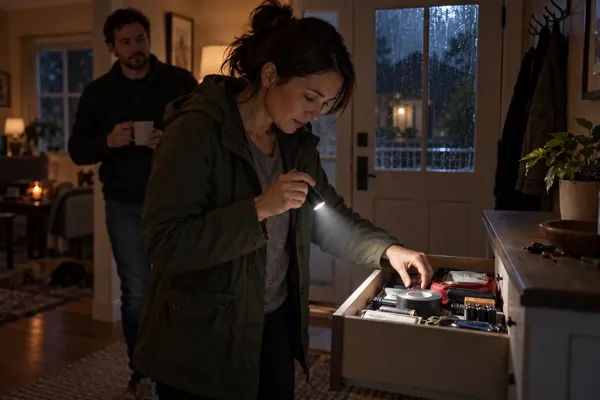
Choose between hands-free lighting and a handheld beam by looking at how the light will actually be used.
Read article ↗BILLIONFISH · WORKING TOGETHER
Explore how a sourcing conversation develops, with practical guidance for product selection, supplier visits and purchase planning. Share your market and requirements to define the next step.
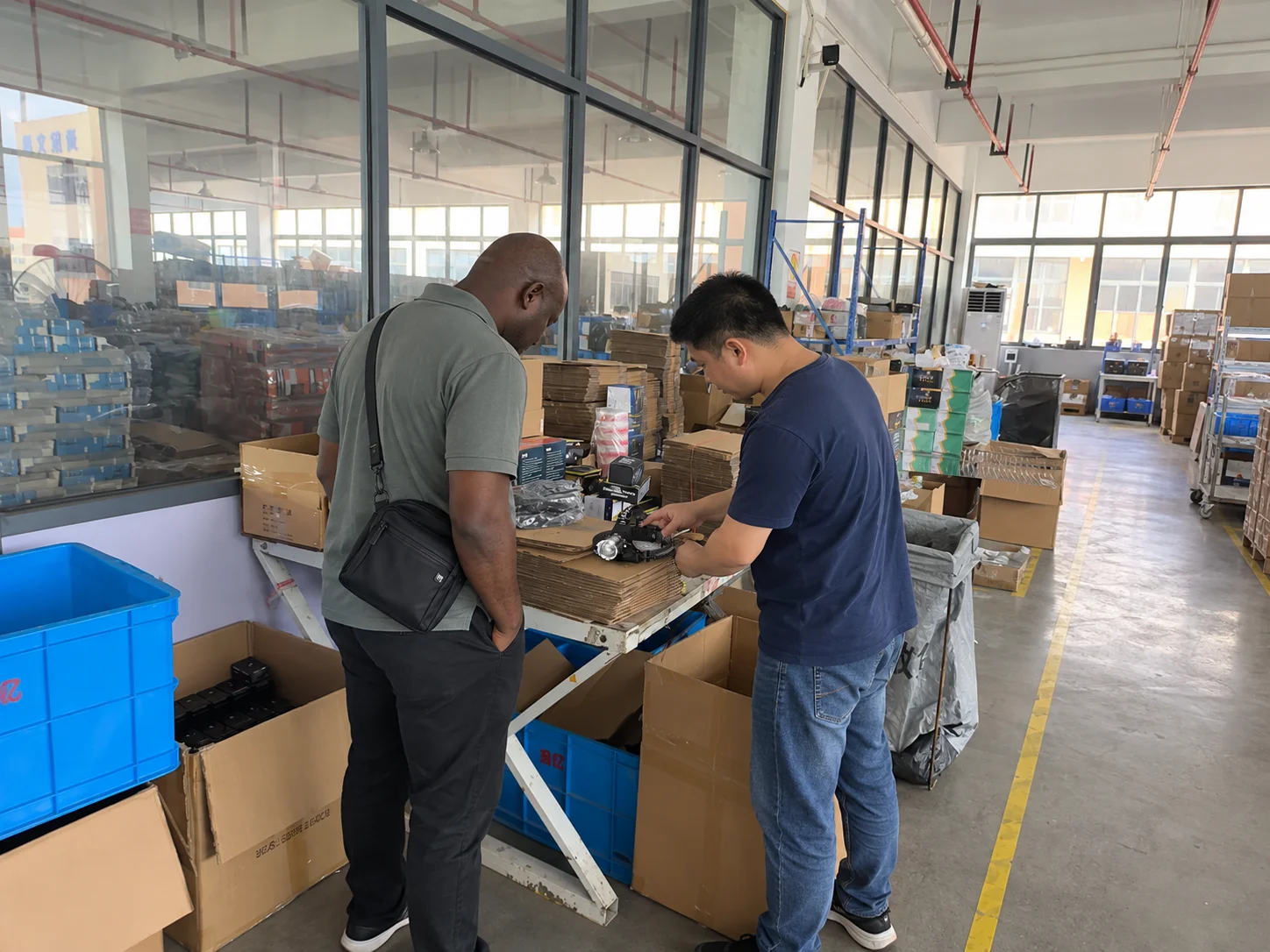
A cooperation journey
Follow an illustrative buyer serving the Tanzanian market through product selection, sample discussions and packaging questions.
Fictional workflow example · AI scene illustration, not a real customer testimonial or completed order.
Read the full story ↗Explore every published article, from choosing a light to preparing a supplier visit. Articles follow the website language.
27 articles
Choose between hands-free lighting and a handheld beam by looking at how the light will actually be used.
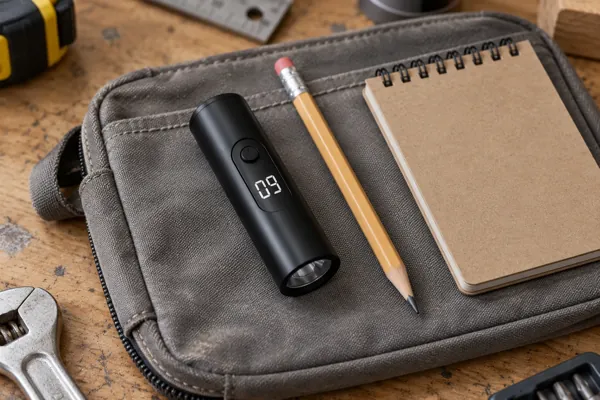
Read article ↗A brighter specification does not explain the whole beam. Compare coverage, useful distance and the selected mode together.
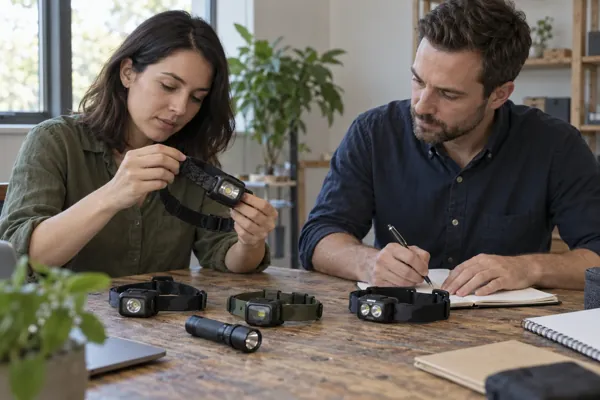
Read article ↗Check headband adjustment, pressure points and battery balance before choosing a headlamp for repeated use.
Read article ↗Build a practical shortlist around tackle handling and movement, then confirm weather protection for the exact model.
Read article ↗A useful workshop light must reach the work area without getting in the way. Evaluate mounting, beam coverage and controls.
Read article ↗Match a lantern to how it will be placed and carried, not only how it looks in a campsite photograph.
Read article ↗Plan access, operation and charging so a portable light is useful when normal room lighting is unavailable.
Read article ↗Match a UV flashlight to a specific inspection task and confirm the response with a representative sample.
Read article ↗Use dimensions, grip and storage requirements to choose a flashlight that customers will actually carry.
Read article ↗Ask for mode-specific runtime and test conditions instead of treating battery capacity as operating time.
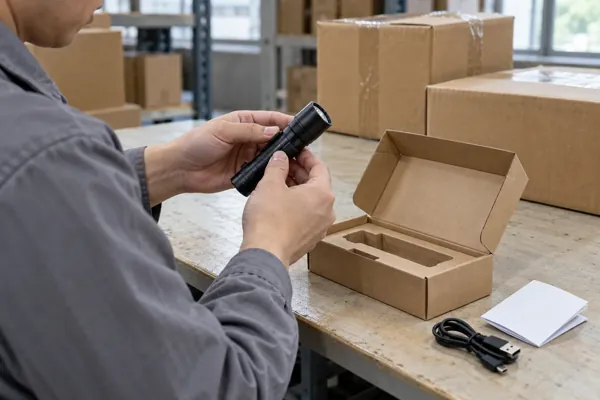
Read article ↗A charging-port photo is only part of the specification. Check input requirements, cable compatibility and box contents.
Read article ↗Connect the claimed protection to the exact model, documentation and intended conditions of use.
Read article ↗Clarify what must change, who owns the design and what needs approval before starting a custom lighting project.
Read article ↗Send a structured request for quotation so suppliers price the same product, accessories and packaging.
Read article ↗Understand how quantities apply to models, colours and packaging before planning an opening order.
Read article ↗Turn a sample into a documented reference for appearance, operation, accessories and packaging.
Read article ↗Make the box useful for shoppers and consistent with the actual product and supplied accessories.
Read article ↗A certificate image is a starting point. Check identifiers, scope and configuration before relying on a document.
Read article ↗Agree a written inspection scope covering model identity, function, accessories and packing before goods are dispatched.
Read article ↗Give the supplier a clear record of the model, configuration and symptom so support can focus on the actual issue.
Read article ↗A fictional Tanzania-based buyer explores lighting samples, packaging and an opening order. An illustrative procurement journey, not a real customer case study.
Read article ↗Plan a useful lighting supplier visit: confirm the location, prepare model references and leave with documented next steps.
Read article ↗Use a model-by-model sample review to compare fit, controls and documented specifications before a wholesale headlamp order.
Read article ↗Make a live video supplier meeting useful with an agreed route, model-specific questions and a written evidence checklist.
Read article ↗Check retail packaging, accessories, artwork and outer cartons against the exact lighting configuration you plan to order.
Read article ↗Ask model-specific questions about inspection records, defect handling and sample traceability when evaluating a lighting supplier.
Read article ↗Organize sample decisions, open questions and commercial terms after a supplier visit without losing track of product changes.
Read article ↗Share the model, destination market, expected quantity and packaging requirements so we can discuss samples and a sourcing plan.
Discuss your requirements ↗