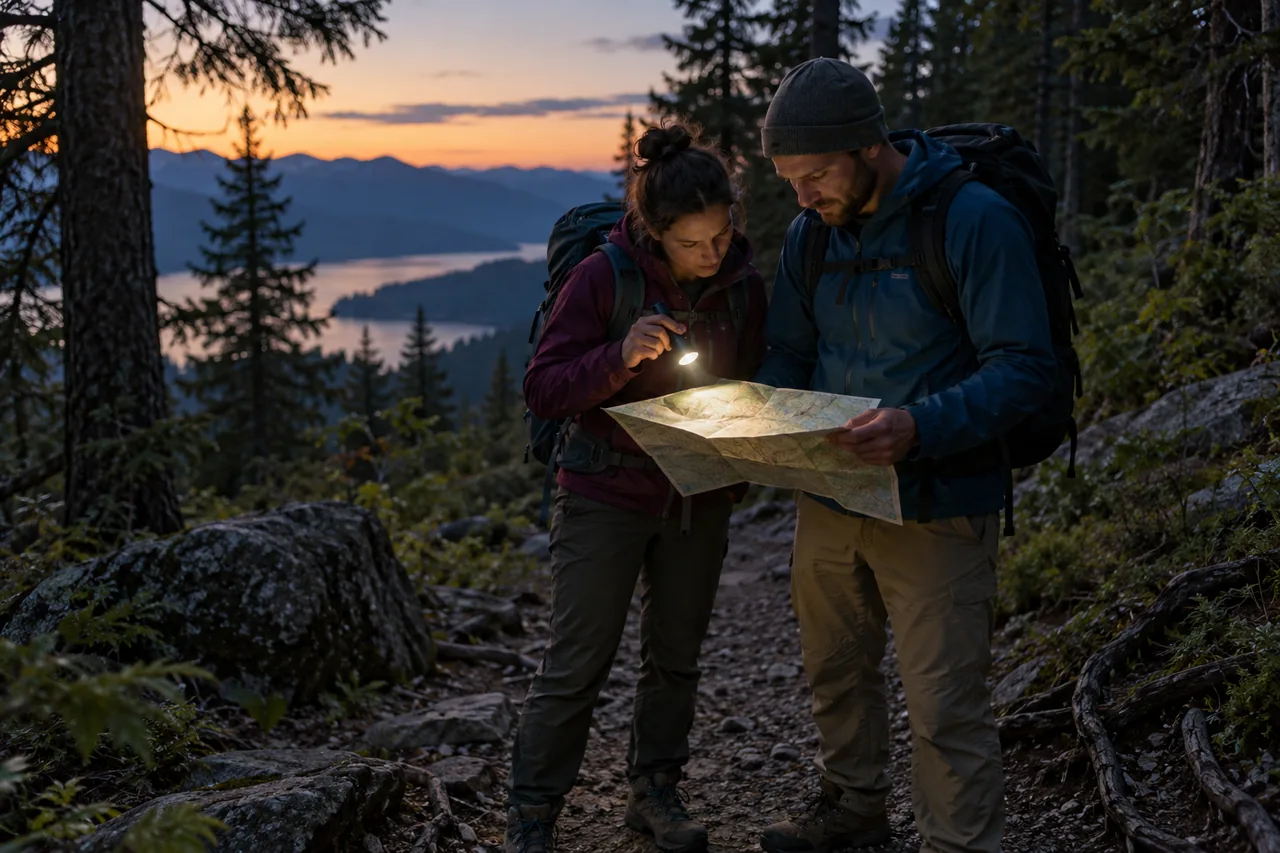
Look beyond a single number
Lumens describe total light output. The way that output is distributed also matters: a concentrated beam and a broad beam can look very different at the same distance. Decide whether the task needs a wide view nearby or attention on a smaller area farther away.
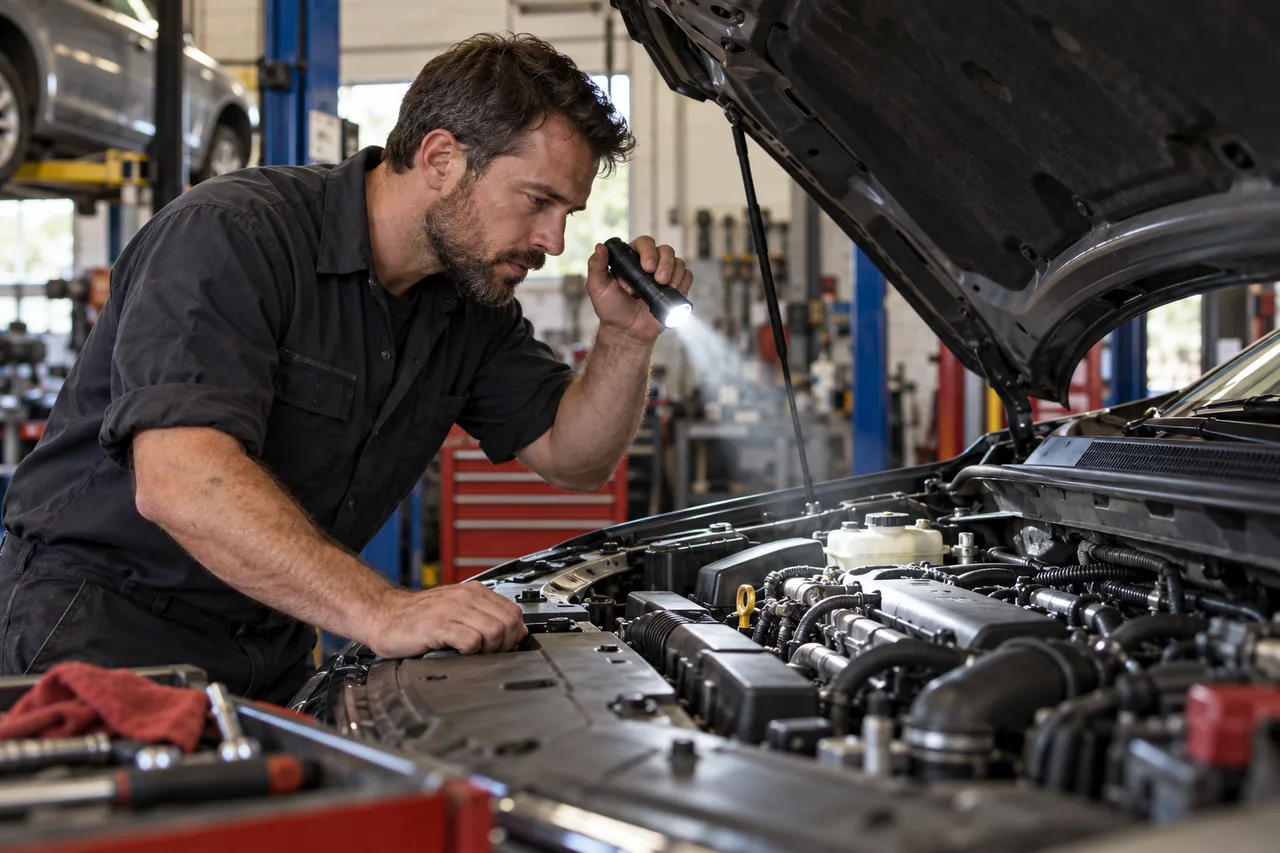
Ask for comparable evidence
Request the mode used, battery configuration and test conditions alongside output figures. A short boost setting should not be presented as continuous working output. Ask whether any advertised distance comes from a measurement or is simply a supplier estimate.
Photographs need context
Automatic camera exposure can make two lights look more similar, or more different, than they appear in use. For a comparison, keep camera position, exposure, target and ambient lighting unchanged. Use photographs to illustrate beam shape, not as a substitute for measured output.

What to put in a buying brief
Specify the object to be illuminated and the working distance. Ask for a sample and record useful coverage, glare and changes during use. This produces a more actionable specification than asking only for the highest lumen option.
Explore relevant products
Compare the available models and confirm specifications for the exact configuration.
Related guide
Lighting RFQ checklist: the information that makes quotes comparable
Send a complete inquiry
Include the application, destination, model or reference, quantity and packaging requirements.
Reference: Petzl — Brightness or burn time