
Agree the purpose before the call
Choose one goal: narrowing a product shortlist, reviewing packing or following up a production question. Send model codes and questions in advance. Confirm who will join and whether someone can operate the camera while another person answers. A focused call is easier to document than an unstructured walk around the building.
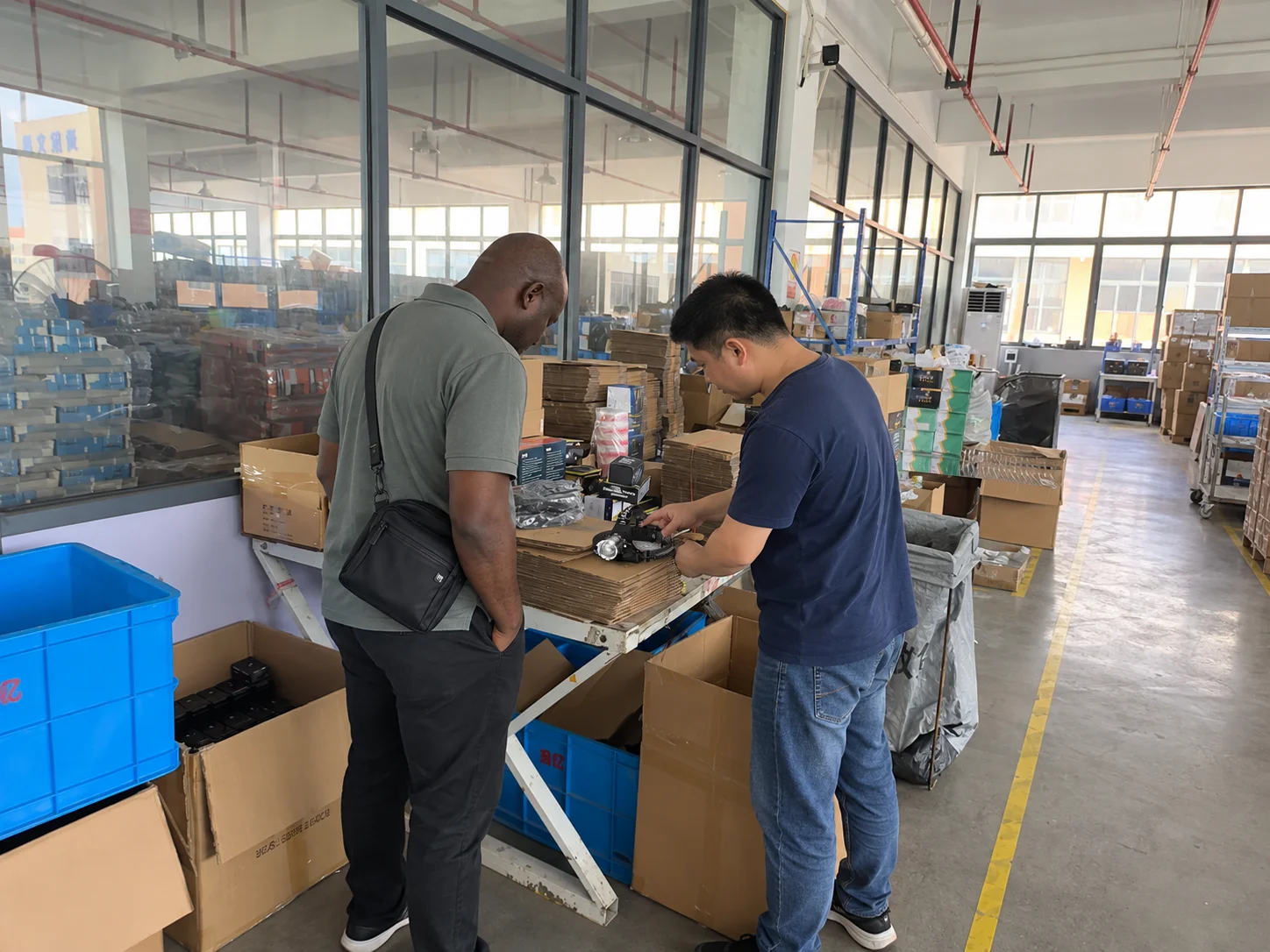
Ask for a practical live demonstration
For a sample review, ask the host to show the model label, all supplied accessories and the controls in operation. Request a closer view if a label cannot be read. For packaging, ask to see one complete retail pack and how it is placed in the outer carton. Avoid asking for access to other customers’ confidential work.
Recognize the limits of video
A video call can show handling and help clarify questions, but it does not independently prove production capacity, certification or long-term reliability. Camera exposure can alter the appearance of light output. Ask for the appropriate documents and samples rather than treating a bright video image as a performance measurement.

Turn the recording into an action list
Request consent before recording. After the meeting, list what was demonstrated, what remained unclear and which files or samples will follow. Assign a responsible contact and an agreed response date to each open item. Keep the meeting notes with the model specification and quotation version used in the discussion.
When is an on-site visit still useful?
Consider an on-site visit or an appropriately scoped independent inspection when unresolved questions require physical checks. Explain the objective first so the supplier can confirm availability. A remote tour is a useful preparation step, not an automatic approval for a bulk order.