
Collect the complete document
Ask for the readable document rather than a small marketing thumbnail. Record its number, issuer, date, applicant and product identifiers. If a document references an accompanying report or model list, request those pages too.
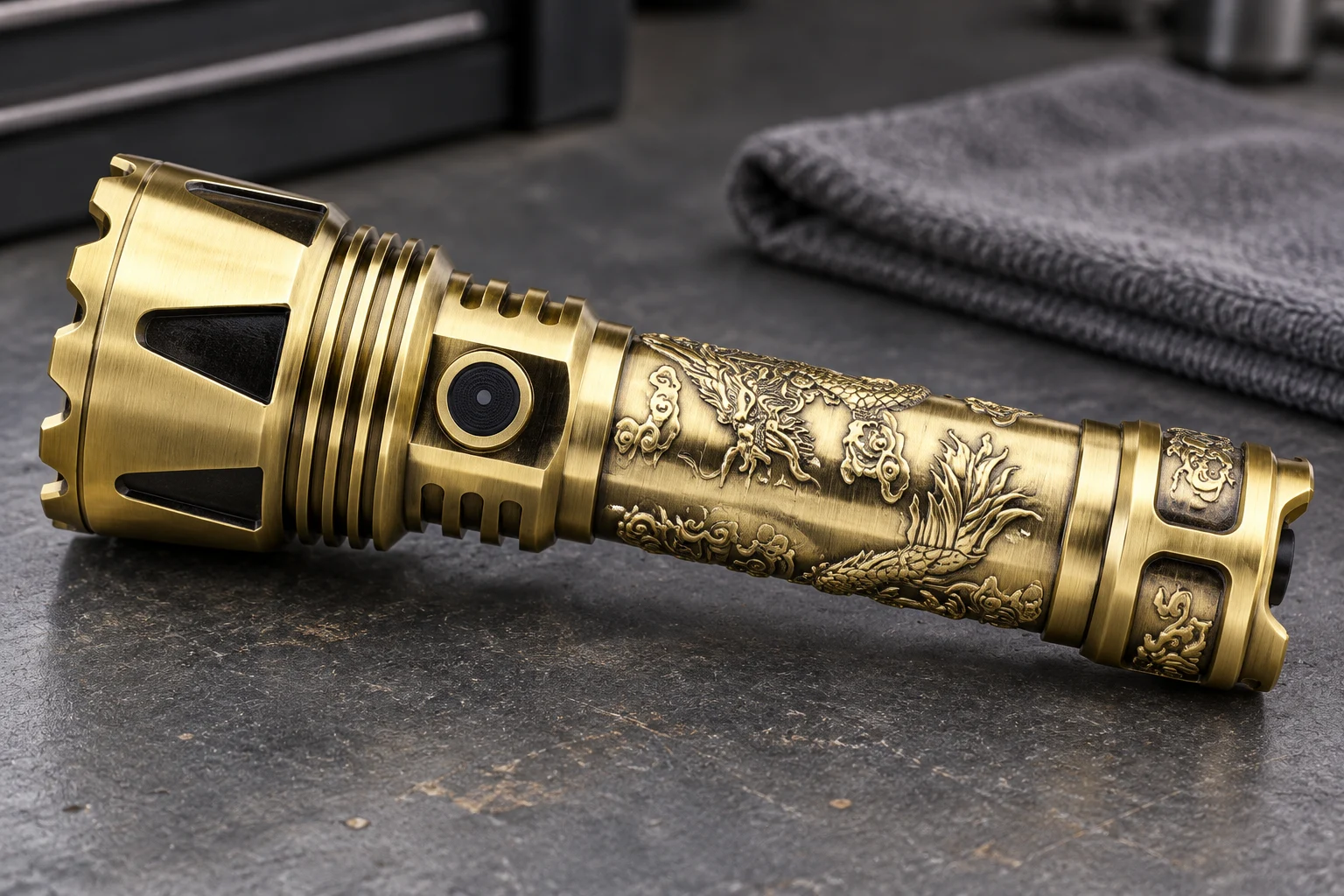
Compare the supplied configuration
Check model names, electrical configuration and relevant components against the quotation and sample. A document for a battery is not automatically evidence for the complete lamp. A document for a similar-looking product may have a different scope.
Clarify what the document establishes
Ask the supplier to explain the document’s purpose and how it applies to your configuration and destination. Do not treat every test report, declaration and certificate as interchangeable. Seek qualified advice for market-specific compliance decisions.

Maintain a versioned file
Store documents with the approved specification and record later component changes. Ask whether changes require an updated assessment. On a product page, display only the documents you can connect to that product, rather than a general wall of unrelated logos.
Explore relevant products
Compare the available models and confirm specifications for the exact configuration.
Related guide
Lighting RFQ checklist: the information that makes quotes comparable
Send a complete inquiry
Include the application, destination, model or reference, quantity and packaging requirements.